Overview: What is Psoriasis?
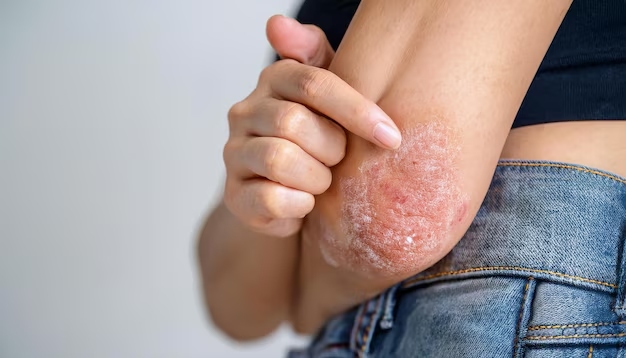
Psoriasis is a chronic disease that typically results in red or discoloured, scaly, and itchy patches on the skin, where skin cells build up quickly. Home Remedies work directly on the skin to reduce inflammation, soothe irritation, and alleviate dryness.
Psoriasis typically affects the outside of the elbows, knees, or scalp, though it can appear on any body part. It is not contagious and can vary in severity. Inflammation and redness around the patches are common in this condition.
Causes & Triggers:
While scientists could not find the exact cause of Psoriasis, the weak immune system and genetics play a key role. The genetics of Psoriasis are complex, and it is possible to develop Psoriasis even if you have no family history. A triggering event may cause a change in the immune system, resulting in the onset of psoriasis symptoms. Common triggers for Psoriasis include stress, illness (particularly strep infections), Cold, dry weather, Smoking, Excessive alcohol consumption, Injury to the skin, and certain medications.
Symptoms of Psoriasis:
- Red, brown, or purple patches of skin
- Patches of thick raised skin (plaques)
- Itching
- Irritation, burning, or stinging
- Pustules or blisters
- Dry skin that may crack or bleed
- Changes to nails
- Flaking of dead skin
Home Remedies for Psoriasis:
Ingredients used as home remedies are:
1. Aloe Vera
Aloe vera is widely recognised for its anti-inflammatory and soothing properties, making it a common remedy for minor burns and scrapes. It can also help reduce redness and improve skin hydration in Psoriasis.
2. Tea Tree Oil
The strong antibacterial, antifungal, and anti-inflammatory properties of Tea Tree Oil is widely known. It has been traditionally used for various conditions, including nail fungus, athlete’s foot, and Psoriasis. It can also be added to baths or shampoos for scalp psoriasis. Patch test needs to be performed before use, as some individuals may get allergic reactions to Tea tree oil.
3. Coconut Oil
Coconut oil is an excellent natural moisturiser that helps combat the dryness often associated with Psoriasis. Regular use can improve skin texture and reduce irritation.
4. Turmeric
The powerful Anti-Inflammatory and Antibiotic properties of turmeric are worth prizing and highly effective in curing skin discomforts and various skin problems, including Psoriasis. Curcumin the active compound in turmeric is beneficial for lessening the symptoms associated with Psoriasis.
Although there is no cure for Psoriasis, its symptoms can be effectively managed. Treatment options include topical therapies such as corticosteroid creams and emollients, systemic medications, and phototherapy. Adopting lifestyle changes, such as managing stress, maintaining a balanced diet, and avoiding triggers
Use of Certain Bath and Moisturising Techniques:
Oatmeal Bath and Epsom Salt bath using lukewarm water can also give positive results.
Proper Diet maangement:
- By avoiding Inflammatory foods such as saturated fats, Red meat, Trans fats, Carbohydrates and refined sugar.
- By adding certain beneficial, healthy foods to the diet, such as fatty fish (e.g., salmon), omega-3-rich foods, nuts, and seeds. Increasing the intake of fruits, vegetables, whole grains and healthy fats like olive oil.
Seeking Professional Help:
Psoriasis treatment and remedies vary from person to person. They are effective in mild cases, but for severe Psoriasis, one needs to go through the prescribed therapy by doctors. Always consult a doctor before starting any treatment at home.
References:
Infusion Therapy Treatment for Psoriasis | BrookWell Infusion. https://www.brookwellhealth.com/infusion-treatment-psoriasis/
The National Psoriasis Foundation