The Great Irony: Global Icon Over Domestic Growth
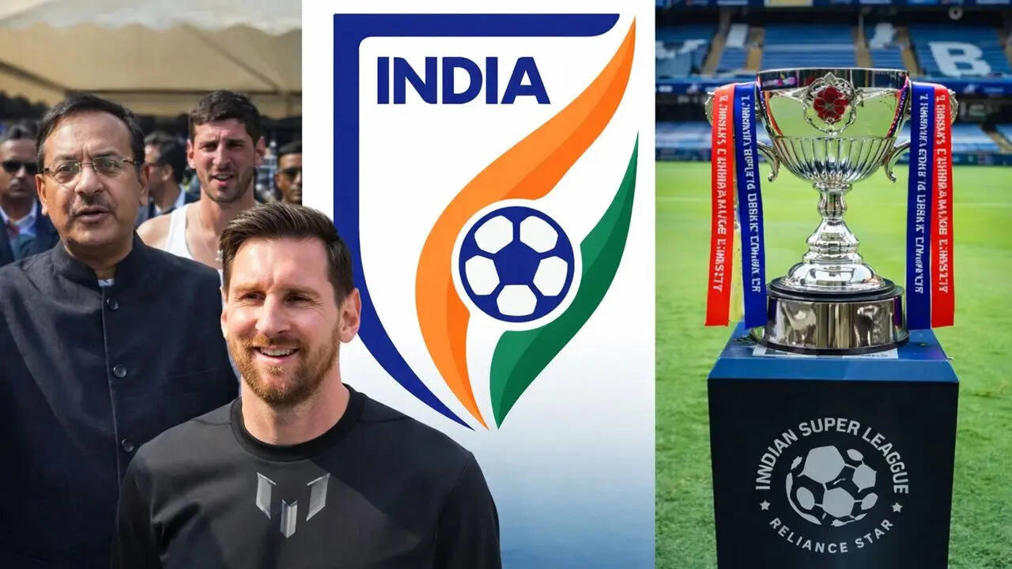
India’s football paradox came into sharp focus during Lionel Messi’s ‘GOAT India Tour’ in December 2025. Fans eagerly spent between ₹4,300 and ₹50,000 per ticket, with meet-and-greet sessions commanding ₹11.74 lakh per person. The three-day event reportedly generated ₹120-180 crores through sponsorships alone, drawing packed stadiums across Kolkata, Hyderabad, Mumbai, and Delhi. Yet during this same period, India’s professional football ecosystem stood paralyzed.
The All India Football Federation floated a Request For Proposal seeking commercial rights for the Indian Super League with a mere ₹37.5 crore annual payment—a sum that went completely unanswered. The 2025-26 ISL season remains indefinitely postponed, leaving nearly 300 footballers without contracts or clarity on when they’ll compete again.
System Failure: Investment Without Infrastructure
Why Global Stardom Attracts Crores
Commercial sponsors and wealthy patrons view Indian football through an investment lens. Messi’s brand transcends sport, making the event a guaranteed return on investment. The ISL, by contrast, offers unpredictability. Clubs consistently report losses of ₹25 crores annually despite ticket prices as low as ₹100. The absence of a clear long-term governance structure, inconsistent schedules, and management disputes between the ISL and I-League create a high-risk environment that deters stakeholders.
International footballer Sandesh Jhingan captured this disparity candidly, stating: “It feels as though we are close to shutting everything down because there is no willingness to invest in football within India, yet crores were spent on this tour.” His sentiment reflects a deeper systemic problem: India prioritizes spectacle over sustainable infrastructure development.
The Missing Ecosystem
India has failed to build football as a nationwide ecosystem comparable to successful footballing nations like Japan, South Korea, and Morocco, which invested in grassroots academies, coach education, and youth development rather than relying on celebrity visits. Without these foundational elements, India cannot retain domestic players or attract quality investors.
The national team’s recent collapse—failing to qualify for the AFC Asian Cup 2027 and falling to FIFA ranking 142—further discourages investment. Indian football fans demonstrate enormous passion, with over 7 crore viewers watching the English Premier League annually. Yet this viewership hasn’t translated into domestic league support, exposing a critical gap between fan interest and institutional capability.
The Path Forward
Genuine recovery requires shifting investment priorities from one-off celebrity events to systematic development. Governance clarity, professional league stability, and grassroots infrastructure must precede major sponsorship campaigns. Until Indian football can offer commercial viability alongside infrastructure credibility, crores will continue chasing global icons while domestic players struggle for basic stability.
The question Indian football faces is no longer whether it can attract Messi-level events, but whether it can build a sustainable ecosystem worthy of its fans’ devotion.