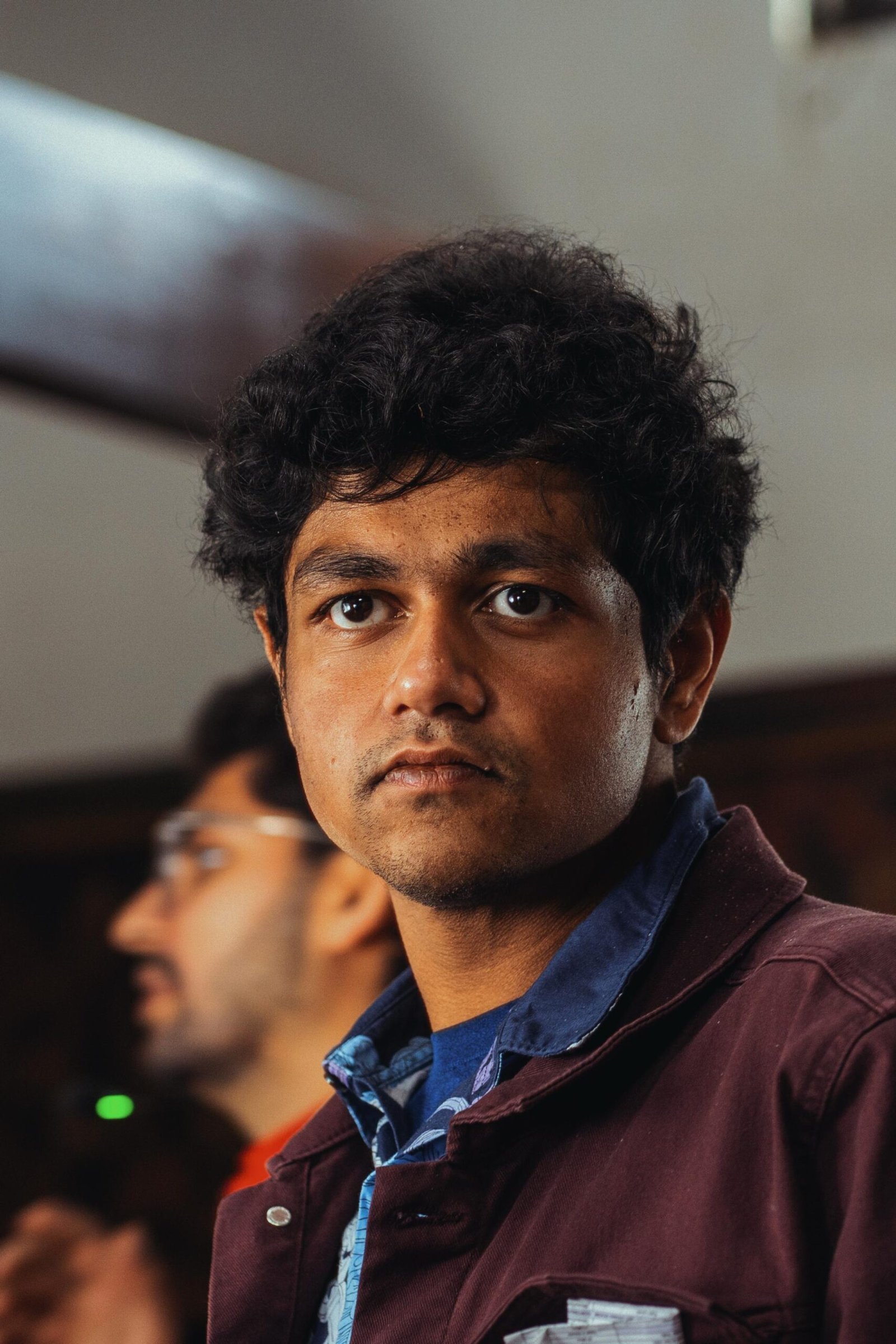
From shaping a film’s vision and visual language to navigating the demands of production, his work showcases the versatility and collaboration independent film production and filmmaking require. Malhar Talwalkar versatile talent in the world of USA film production.
No matter how much we speak about the rising talents in the world of films and entertainment, it feels like many more discussions are still needed around them for the world to know their genius. In creative fields like these, nothing has ever been a walk in the park for anyone. However, a few rare gems have showcased pure talent and skills that justify the mark they have made in the industry as producers, writers, cinematographers, filmmakers, and more.
In the case of independent filmmaking, creators need to move between artistic decisions and practical responsibilities. A project may start with an idea or script, but bringing those visions to screen may involve several interconnected stages, including visual planning, direction, cinematography, and production. Malhar Talwalkar’s work across projects such as Pink Trees, Caroline, and Body Count offers a starting point for examining this multifaceted side of filmmaking. Rather than viewing film production as a series of isolated jobs, his professional portfolio invites attention to how different creative responsibilities contribute to the finished work.
Malhar emphasizes how a film’s identity is shaped by more than its premise. Choices involving framing, performances, pace, and atmosphere can all influence how audiences experience a story. When a filmmaker works across different stages of production, these decisions can be considered in relation to one another rather than in isolation. This connection between concept and execution matters especially in independent cinema, where teams often work with limited resources and must make deliberate choices about how to realize a story. Every production decision can go ahead in affecting the final result, from how a scene is visually constructed to how its emotional tone is communicated. For him, examining individual projects provides an opportunity to consider the relationship between creative intent and the practical process of making a film.
Each of the projects he has done, be it as a producer or a filmmaker, presented him with its own set of challenges and requirements. In the process, he understood how no two projects necessarily can demand the same method of storytelling, visual treatment, or coordination. He believes that independent filmmaking leaves room for experimentation, but that flexibility entails responsibility. Creative teams need to work within the realities of time, budgets, locations, and available resources. The ability to adapt without losing sight of a project’s central idea is therefore an important part of the process.Wearing several hats in film production requires more than technical knowledge. It calls for organization, communication, problem solving and an understanding of how decisions made in one department can affect another. For producers and filmmakers like Malhar Talwalkar, this intersection of creative and practical thinking is an important way to view the work involved in independent production.Independent cinema can be sustained by producers and filmmakers who can navigate both the creative ambitions and operational realities of making films. In the end, filmmaking isn’t just about having a story to tell; it’s also about bringing together the people, skills, and decisions needed to tell it effectively.