Washington’s proposed trade measures could affect Indian exports as both nations continue negotiations on a bilateral trade agreement.
India could soon face fresh trade challenges as the United States considers imposing a new set of tariffs on several major economies. The move is part of a broader effort by the Trump administration to address what it views as unfair trade practices that disadvantage American industries and workers.
According to reports, India has been included in a list of countries under scrutiny, alongside China, Japan, South Korea, and members of the European Union. US officials argue that government-backed subsidies and industrial support programmes in these economies have enabled manufacturers to significantly increase production, giving them a competitive edge in global markets.
The proposed tariffs stem from an investigation by the Office of the United States Trade Representative (USTR). The inquiry examined whether industrial policies in certain countries distort markets by encouraging excessive production and driving down export prices. American authorities believe these practices make it difficult for domestic companies to compete fairly at home and abroad.
The investigation was initiated under Section 301 of the US Trade Act of 1974, a legal provision that allows Washington to respond to policies deemed harmful to American commercial interests. Findings from the probe are expected to underpin the upcoming tariff decisions, although the exact duty rates have not yet been announced.
Trade analysts suggest that the new measures could apply to a broad range of products exported to the United States. However, sectors such as steel, aluminium, and automobiles may remain outside the scope of these tariffs, as they are already regulated by separate US trade and national security measures.
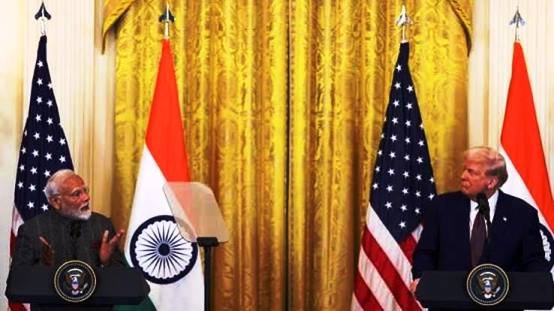
For India, the timing of the proposed duties is particularly significant. New Delhi and Washington have spent months working towards an interim trade agreement to strengthen economic cooperation and improve market access for businesses in both countries. Indian negotiators have been seeking tariff concessions to help domestic exporters remain competitive against rivals from countries such as Bangladesh, Vietnam, and Cambodia.
If implemented, the tariffs could pose additional hurdles for Indian manufacturers and exporters seeking greater access to the US market. Businesses across several sectors will be closely monitoring developments, as higher duties could raise costs and reduce competitiveness.
Despite the uncertainty, both India and the United States continue to hold trade discussions to deepen economic ties. The outcome of the USTR’s announcement and subsequent negotiations will likely play an important role in shaping the future direction of bilateral trade relations between the two countries.