Record military sending highlights Moscow’s strategic priorities amid economic pressures.
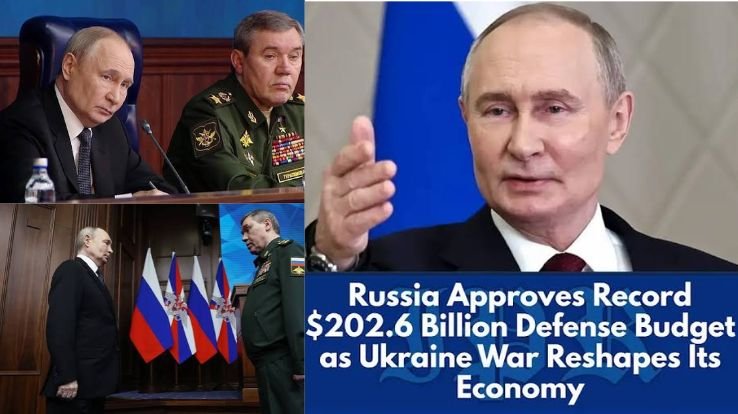
Russia has approved a massive defence budget for 2027 to 2029, marking the highest level of military spending the country has seen since the Soviet Union. The decision comes as international leaders continue to call for diplomatic efforts to end the ongoing conflict in Ukraine. Yet Moscow’s financial commitments suggest that defence remains at the centre of its long-term agenda.
The newly adopted budget allocates hundreds of billions of dollars to military and national security programmes over the next three years. This marks a substantial increase over previous spending plans and signals the Kremlin’s determination to maintain and strengthen its armed forces. Since the launch of the large-scale military campaign in Ukraine in 2022, Russia has channelled enormous resources into defence operations. With the latest budget in place, overall military expenditure is expected to exceed $1.3 trillion by the end of the decade.
To offset rising costs, the Russian government is introducing measures to increase state revenue. Officials are expected to rely on additional taxes on key industries, particularly the mining sector, and on higher income from private investment. These measures are designed to keep military funding stable despite mounting economic challenges.
The increased focus on defence spending, however, entails significant trade-offs. Several civilian sectors are expected to receive less government support. Budget allocations for housing, public utilities, healthcare services, and social welfare programmes will be lower than in previous years. As a result, many citizens may feel the effects through reduced public services and lower levels of social assistance.
Economic analysts have also raised concerns about the long-term sustainability of such extensive military expenditure. Russia continues to face multiple economic pressures, including international sanctions, rising labour shortages, higher borrowing costs, and disruptions to energy exports. These challenges have contributed to a widening budget deficit and slower economic performance across several non-military sectors.
Meanwhile, diplomatic efforts to ease tensions continue. United States President Donald Trump recently said he had encouraged Russian President Vladimir Putin to reduce military activity and support negotiations to end the war. Although these discussions have raised hopes of progress, Russia’s latest budget appears to send a different message. By committing significant resources to defence for years ahead, Moscow signals that military preparedness and strategic security remain key national priorities.
The budget’s approval highlights the difficult balance Russia faces between sustaining its military ambitions and addressing domestic economic needs. This challenge is likely to shape the country’s future for years to come.