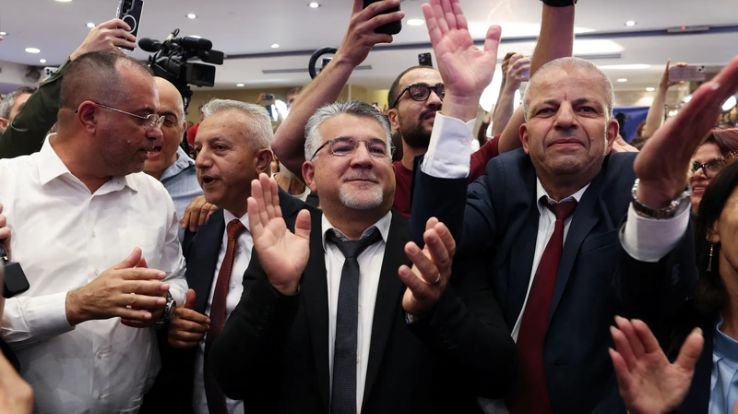
Fragmented representation could decide coalition outcomes.
Israel’s October 27 election is not only a contest over whether Benjamin Netanyahu can retain power but also a test of coalition arithmetic. With 120 seats in the Knesset and a majority threshold of 61, the outcome may hinge on smaller parties- particularly Arab-led factions, that have historically been sidelined yet remain crucial in tight races.
Arab citizens account for about one-fifth of Israel’s population, but their political representation is far from monolithic. The United Arab List (Ra’am) and other Arab-led parties differ in priorities and strategies, especially regarding cooperation with Jewish-led blocs. Their influence depends on voter turnout, the number of seats they secure, and the concessions they extract in post-election negotiations. Importantly, Arab parties can shape parliamentary math without formally joining a government, by supporting from outside rather than holding ministerial portfolios.
This dynamic is politically sensitive. Both Netanyahu’s right-wing bloc and the opposition hesitate to court Arab support openly, wary of backlash from their bases. The October 7, 2023 Hamas-led attacks and the subsequent Gaza war have intensified divisions, making collaboration with Arab parties even more contentious. Netanyahu’s coalition partners include far-right and religious groups opposed to concessions to Palestinians, while his rivals face internal resistance to striking deals that could alienate parts of their electorate.
Yet precedent exists. In 2021, Ra’am under Mansour Abbas joined the Bennett-Lapid coalition, ending Netanyahu’s long tenure. Though short-lived, that government demonstrated the decisive role Arab parties can play in coalition-building. The current political climate is more polarized, but the lesson remains: campaign rhetoric often gives way to pragmatic bargaining once votes are counted.
If neither bloc secures a majority, Arab-led parties could again become kingmakers. Their leverage will depend not only on their seat count but also on the size of Netanyahu’s bloc and the opposition’s ability to craft a viable governing formula. The real test will come after the ballots are tallied, when parties must set aside campaign positions and confront the hard reality of coalition negotiations.
In Jerusalem, the stakes are clear: while the election appears to be a direct contest between Netanyahu and his challengers, the final decision on who governs may rest with parties that the leading camps have been reluctant to embrace.