New homegrown bird flu vaccine offers hope as fresh outbreaks challenge India’s poultry industry.
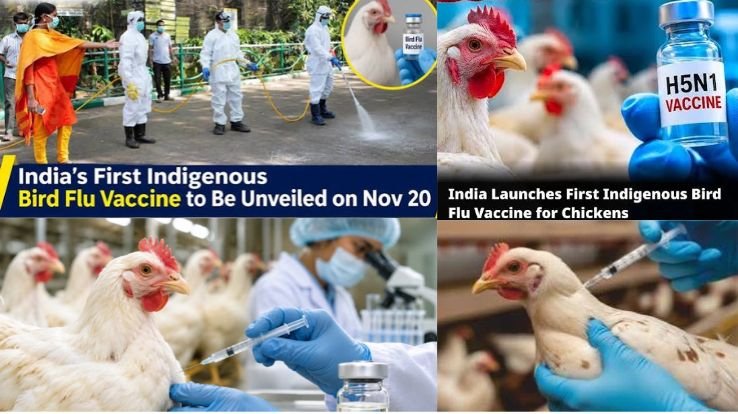
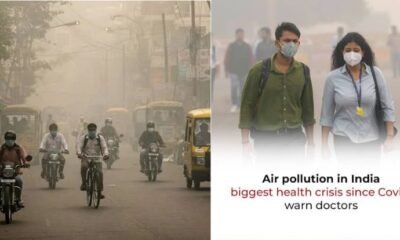
India is preparing to introduce its first locally developed vaccine against the H5N1 strain of avian influenza, commonly known as bird flu. The landmark achievement reflects the country’s growing capabilities in animal health research and disease prevention. Developed by the ICAR-National Institute of High Security Animal Diseases (NIHSAD) in Bhopal, the vaccine will be formally launched on 20 November by Union Agriculture Minister Shivraj Singh Chouhan.
The announcement comes as several regions once again face bird flu outbreaks. Recent cases reported in Tamil Nadu and Andhra Pradesh have raised concerns among poultry farmers and authorities, underscoring the need for stronger preventive measures to safeguard the sector.
The newly developed vaccine is designed to protect poultry against the H5N1 clade 2.3.2.1a virus. Researchers believe that a vaccine developed through India’s own scientific and surveillance network will improve the country’s ability to respond quickly and effectively to outbreaks. Since avian influenza can spread rapidly among birds, vaccination could become an important addition to existing disease-control efforts.
Recent outbreaks have highlighted the disease’s devastating impact. In Tamil Nadu’s Cuddalore district, thousands of birds died after the virus was detected on poultry farms. Authorities responded with containment measures, including surveillance operations, movement restrictions, and the culling of tens of thousands of chickens to prevent further spread. Similar measures were taken in Andhra Pradesh following confirmed infections in poultry populations.
Bird flu remains a major threat to the poultry industry because of its high contagiousness and the severe losses it can cause. Farmers often face substantial financial losses when outbreaks occur, and local supply chains can be disrupted. Traditionally, authorities have relied on surveillance, testing, culling infected birds, and enforcing strict biosecurity protocols to control the disease. Including vaccination in this strategy may help reduce future risks and provide additional protection for vulnerable poultry populations.
The vaccine’s significance extends beyond poultry health. Although human infections with H5N1 are rare, people who come into close contact with infected birds or contaminated environments may be exposed to the virus. Health officials continue to advise caution, including avoiding direct contact with sick or dead birds and maintaining proper hygiene when handling poultry products.
As India intensifies its efforts to combat avian influenza, the indigenous H5N1 vaccine marks an important step forward. Its effectiveness will ultimately depend on widespread implementation, ongoing monitoring, and coordinated action between animal and public health agencies. If successfully deployed, it could become a vital tool for protecting poultry farms and reducing the impact of future bird flu outbreaks across the country.