Recognizing symptoms early and seeking medical help within 24 hours can prevent serious complications
Pneumonia is often dismissed as a stubborn cough or a seasonal illness, yet it is far more serious than many realise. It is a lung infection that can affect people of all ages and may become life-threatening if treatment is delayed. Health experts emphasise that the first 24 hours after symptoms appear are especially important, as early diagnosis and prompt medical care can significantly improve recovery.
The infection causes inflammation in the lungs, making it difficult for oxygen to enter the bloodstream efficiently. As the illness progresses, the air sacs in the lungs may fill with fluid or pus, leading to breathing difficulties and reduced oxygen levels. This is why immediate attention to symptoms is critical.
One of the earliest signs of pneumonia is a persistent cough, often accompanied by fever. However, other symptoms should not be overlooked. Shortness of breath, rapid breathing, chest discomfort, unusual tiredness, confusion, and a bluish tinge around the lips or fingernails can all indicate that the infection is becoming severe. In some cases, particularly among older adults, fever may be absent, making the disease harder to recognise.
Medical specialists recommend seeking professional evaluation as soon as symptoms suggest pneumonia. During an assessment, healthcare providers may check oxygen levels, breathing rate, blood pressure, and overall physical condition. Additional tests, such as blood tests or chest imaging, may also be performed to determine the severity of the infection and the most suitable treatment approach.
Not everyone diagnosed with pneumonia requires hospitalisation. Doctors consider several factors before making that decision, including age, existing medical conditions, oxygen saturation levels, and the patient’s ability to breathe comfortably. Nevertheless, delaying medical consultation increases the risk of complications.
It is also important to understand that pneumonia can have different causes. Some cases are triggered by bacteria, while others result from viruses or fungi. Because of these differences, treatment varies from patient to patient. Antibiotics are effective against bacterial pneumonia but not against viral infections. Taking medicines without medical advice can delay proper treatment and contribute to antibiotic resistance.
Certain groups face a higher risk of severe illness, including older adults, young children, and individuals with chronic health conditions. If pneumonia is not managed correctly, they may develop complications such as respiratory failure or bloodstream infections.
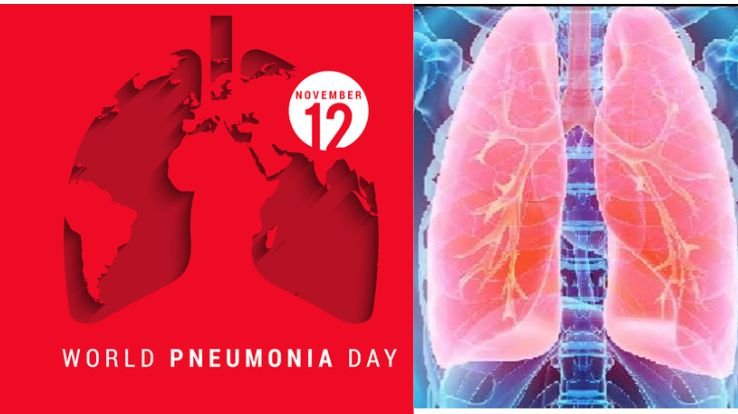
The key takeaway for World Pneumonia Day is simple: never ignore breathing difficulties, a persistent cough, or unusual fatigue. Seeking medical attention early can help prevent complications, speed recovery, and, in many cases, save lives.