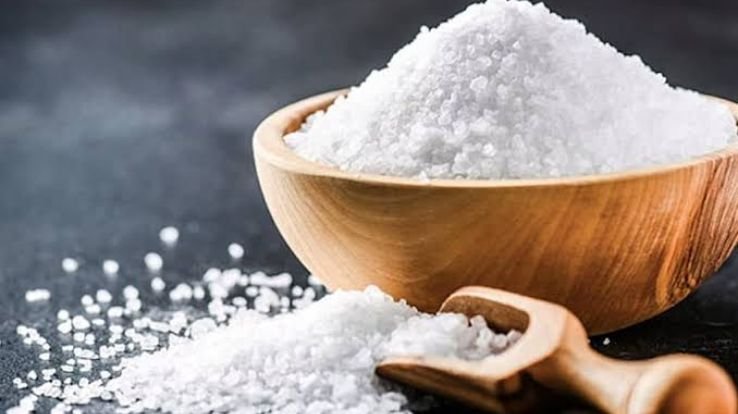
From pink salt to sendha namak, experts explain which type of salt belongs in your daily diet.
Salt is a kitchen staple that does much more than enhance the flavour of food. It also plays a critical role in supporting bodily functions, particularly through its iodine content. However, with the growing popularity of pink salt, sendha namak, kala namak, and other specialty varieties, many people are questioning whether traditional white salt remains the healthiest option.
According to health experts, the answer lies not in the salt’s colour or origin, but in whether it contains enough iodine. This vital nutrient helps maintain healthy thyroid function, supports metabolism, and contributes to proper brain development, especially in children. A lack of iodine can result in health concerns such as hypothyroidism, goitre, cognitive difficulties, and complications during pregnancy.
One of the most common myths about regular white salt is that it is heavily processed or artificially bleached. In fact, pure salt is naturally white. Most table salt available in India is derived from seawater, naturally dried, purified, and fortified with iodine before reaching consumers. Due to mandatory iodisation standards, white table salt remains a reliable source of this essential nutrient and is widely recommended for daily use.
Meanwhile, specialty salts have gained a strong following, based on claims that they contain additional minerals and offer superior health benefits. Pink salt, sendha namak, and kala namak are often marketed as healthier alternatives. However, experts note that the amounts of minerals they contain are extremely small and unlikely to confer significant nutritional advantages. More importantly, these salts generally provide little to no iodine.
While these specialty salts can add distinct flavours and may be useful in certain recipes, relying on them as the primary salt source may increase the risk of iodine deficiency over time. The same concern applies to Celtic salt and other fashionable varieties often promoted on social media.
Sea salt can be a healthy option when it is iodised. Consumers are advised to read labels carefully rather than assuming that all sea salt products contain adequate iodine.
For people managing hypertension, low-sodium salt may help reduce sodium intake while maintaining flavour. However, because it often contains higher levels of potassium, those with kidney problems or taking certain medications should seek medical advice before making the switch.
The bottom line is simple: when choosing salt, prioritise iodine content over marketing trends. Experts recommend using iodised salt for everyday cooking and keeping overall salt intake within recommended limits to support long-term health and well-being.