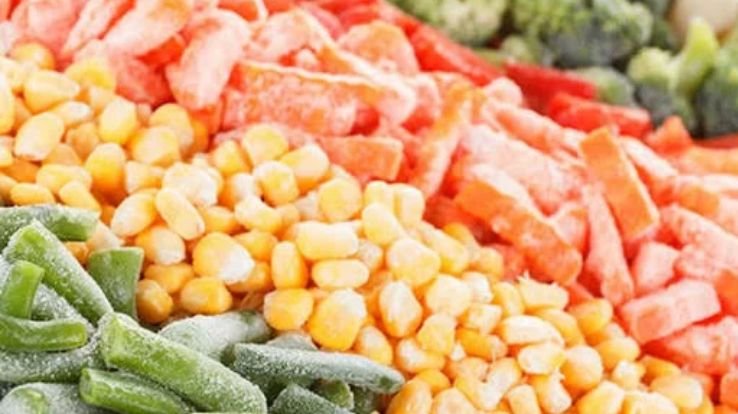
Expert explains how freezing preserves health benefits.
For many households, frozen vegetables are a lifesaver when fresh produce is not readily available. Quick to cook and easy to store, they often raise the question: are they as healthy as fresh ones? Nutritionist Nmami Agarwal addresses this concern, noting that frozen vegetables can retain their nutritional value and add a smart option to daily meals.
Preserving Nutrients Through Freezing
Vegetables destined for freezing are typically harvested at peak ripeness, ensuring they contain maximum vitamins and minerals. Freezing slows natural spoilage and locks in nutrients, preventing significant losses. This means staples like peas, beans, corn, carrots, and broccoli remain rich in fibre, antioxidants, and essential vitamins even after months in the freezer. For busy people, frozen options offer a reliable way to maintain a nutrient‑dense diet without the time‑consuming prep fresh produce requires.
Adding Variety to Everyday Meals
Agarwal emphasizes that frozen vegetables can seamlessly fit into a balanced diet. Their long shelf life reduces food waste and allows families to enjoy a wider variety of vegetables throughout the week. Whether tossed into soups, curries, stir‑fries, pasta, or rice dishes, they make it easier to prepare wholesome meals quickly. By encouraging consistent vegetable intake, frozen produce supports overall health and dietary balance.
Reading Labels Carefully
While plain frozen vegetables are healthy, Agarwal cautions against processed options that may contain added sodium, sauces, or preservatives. These extras can diminish nutritional quality and contribute to excessive salt intake. To maximize benefits, consumers should choose unsalted, additive‑free varieties and always check ingredient lists before purchasing.
Cooking Tips for Best Results
One common complaint is that frozen vegetables can turn soggy. To avoid this, Agarwal recommends cooking them directly from frozen rather than thawing. Quick steaming or stir‑frying helps preserve texture and flavour, while overcooking should be avoided to prevent nutrient loss.
Conclusion
Frozen vegetables are not a compromise but a practical solution for modern kitchens. They retain much of their nutritional value, reduce food waste, and save time in meal preparation. By selecting plain options and cooking them correctly, families can enjoy the convenience of frozen produce without sacrificing health. As Agarwal explains, frozen vegetables are a simple, effective way to keep meals balanced, colourful, and nourishing.