WHO probes transmission pathways and livestock risks.
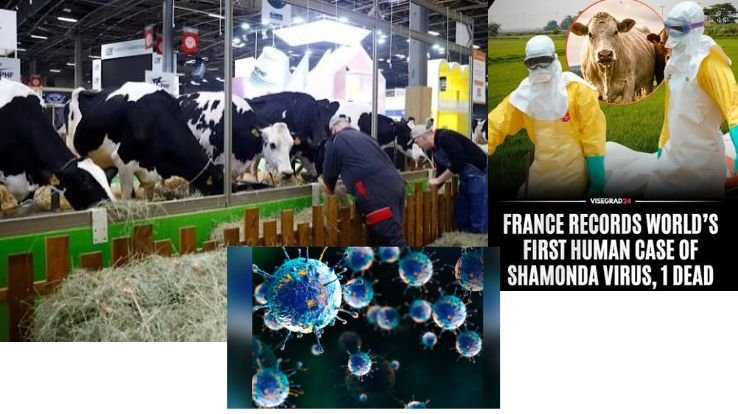
France has confirmed the first known human infection with the Shamonda virus, a pathogen historically confined to animals. The World Health Organisation (WHO) announced that the patient, a man in his sixties with a compromised immune system, died following infection. French health authorities, in collaboration with WHO, are investigating how the infection occurred and whether it poses broader risks.
Origins and Animal Impact
Scientists first identified the Shamonda virus in cattle in Nigeria in the 1960s, and it has since been detected sporadically across Africa and Asia. Classified as an Orthobunyavirus, it is transmitted by biting midges, tiny insects that acquire it after feeding on infected livestock. Shamonda is closely related to the Schmallenberg virus, which has caused reproductive disorders in European herds.
In animals, Shamonda infection can trigger fever, diarrhoea, reduced appetite, and a sharp decline in milk production. More concerning are reproductive complications, including abortions, stillbirths, and congenital deformities in newborns. These outcomes make the virus a potential threat to livestock productivity, particularly in regions where midges thrive.
Human Transmission and Symptoms
The French case marks the first time Shamonda has infected humans. WHO stresses that there is no evidence of person-to-person transmission. Infection occurs through bites from infected midges, not through direct contact with cattle or other livestock. Because only one human case has been documented, researchers have not yet established a clear symptom profile in humans. The patient’s severe illness highlights the need for further research into the virus’s behaviour in humans.
Public Health Perspective
Experts caution against panic, noting that Shamonda remains primarily an animal virus. However, the incident underscores the importance of monitoring zoonotic diseases—those that can jump from animals to humans. The presence of Culicoides midges in areas where Shamonda circulates among livestock appears to have created conditions for this rare spillover.
For Europe’s farming sector, the primary concern is potential livestock losses. The World Organisation for Animal Health (WOAH) warns that reproductive damage linked to Shamonda could reduce productivity if the virus spreads further. Vigilant surveillance, vector control, and rapid reporting will be essential to limit risks.
WHO continues to work with French authorities, emphasising that although the virus poses no immediate public health threat, ongoing vigilance is critical to prevent future outbreaks.France records first human Shamonda Virus case.