Experts say measuring a signal is easier than explaining what It means.
The race to build smarter health gadgets is moving beyond fitness bands and smartwatches. A new generation of wearables now promises insights into the brain, claiming to track mental performance, focus, stress levels and overall cognitive well-being. Among the latest examples is Temple, a premium wearable introduced by entrepreneur Deepinder Goyal, which has sparked widespread debate about how accurately consumer technology can monitor brain health.
Temple is designed to capture physiological signals related to blood circulation around the Temple. The company says these measurements can indicate brain function and overall wellness. However, neuroscientists and medical experts caution that the science behind these claims requires careful interpretation.
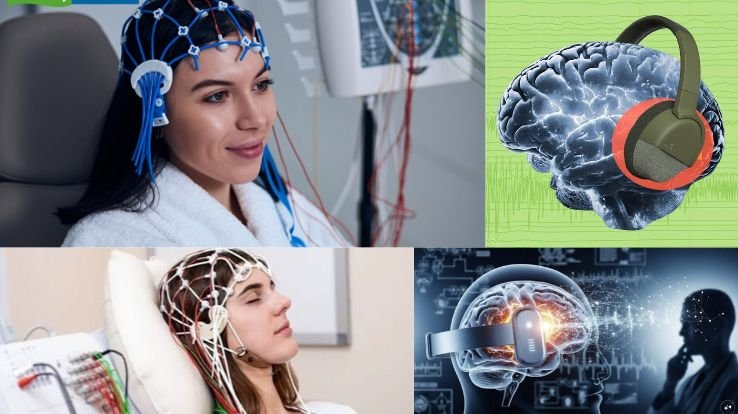
One of the biggest misconceptions about brain-monitoring devices is the assumption that all sensors measure brain activity directly. In reality, different technologies capture very different types of information. Clinical tools such as electroencephalography (EEG) record electrical signals generated by brain cells and are widely used to diagnose neurological conditions. By contrast, optical sensors use light-based methods to detect changes in blood flow and tissue characteristics.
While blood-flow patterns can reveal valuable physiological information, they do not offer a direct window into thoughts, emotions or cognitive processes. Experts note that the human brain is an extraordinarily complex system, with billions of neurons operating across multiple regions simultaneously. As a result, a single physiological measurement cannot fully explain mental performance or neurological health.
The growing popularity of wellness applications has also heightened focus on scores, stress ratings, and recovery metrics. These numbers are typically generated by algorithms that analyse biological signals. Factors such as sleep quality, medication, fatigue, age, and daily routines can influence the readings. Therefore, an unusual score should not be taken as proof of a medical condition.
Medical professionals further emphasise that consumer wearables are not substitutes for established diagnostic tests. Clinical assessments involve detailed examination of symptoms, patient history and specialised investigations, such as EEGs, brain imaging and vascular studies. Wearables may help users track trends over time, but they cannot replace professional medical evaluation.
As brain-focused technology becomes more accessible, consumers should look beyond marketing claims. Understanding what a device measures, whether its findings have been independently validated, and how its scores are interpreted is essential. Ultimately, while wearable technology can detect biological signals, translating those signals into meaningful insights about brain health remains far more complex than a simple score on a screen.