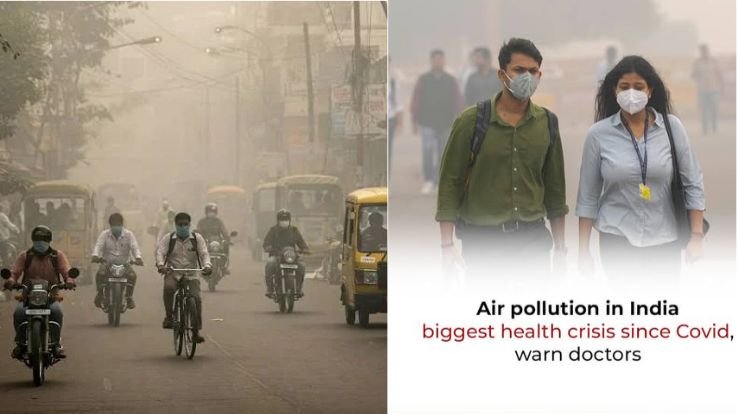
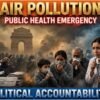
Experts warn that long-term exposure to polluted air is causing widespread health damage, making it one of the country’s most pressing public health challenges.
Air pollution has become one of the gravest threats to public health in India, yet it often fails to attract the same level of concern as sudden disasters or disease outbreaks. Medical experts believe that the impact of polluted air is far more widespread and persistent than many people realize, affecting millions of lives every year.
Nephrologist Dr. Sanjeev Bagai recently drew attention to the seriousness of the issue by comparing the scale of air pollution-related deaths with some of history’s most devastating tragedies. His comparison was meant to highlight the enormous health burden of poor air quality and the urgent need for stronger, more sustained intervention.
Unlike natural disasters, pandemics, or wartime events that cause immediate and visible destruction, air pollution operates quietly. Day after day, people inhale harmful substances present in the atmosphere, often without noticing the damage occurring inside their bodies. These pollutants include fine particulate matter, toxic chemicals, heavy metals, and various gases that can enter the lungs and, in some cases, reach the bloodstream.
Health experts warn that the consequences extend well beyond respiratory illnesses. Prolonged exposure to polluted air has been associated with heart disease, strokes, high blood pressure, diabetes, neurological disorders, and several forms of cancer. As exposure continues over time, it can increase the risk of chronic health conditions that affect both quality of life and life expectancy.
Children and pregnant women are considered particularly vulnerable. Studies suggest that poor air quality can contribute to complications during pregnancy, including premature births and developmental issues in children. Some experts also believe that exposure before conception may influence future health outcomes, raising concerns about the long-term effects on future generations.
Another major challenge is that the body does not recover instantly when pollution levels decline. The harmful effects of years of exposure can persist long after air quality improves, with certain diseases appearing much later. This makes continuous and long-term pollution control efforts essential.
Experts argue that tackling this crisis requires more than temporary seasonal measures. Reducing vehicle emissions, improving public transportation, controlling road dust, enforcing environmental regulations, and creating cleaner urban spaces are among the steps needed to bring lasting change.
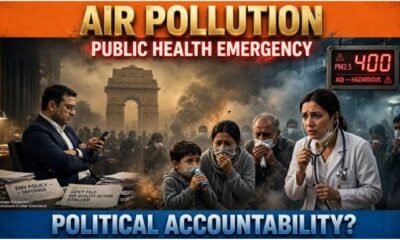
Air pollution is no longer just an environmental issue. It is a public health emergency that affects people from every social and economic background. Addressing it effectively will require commitment, awareness, and sustained action to ensure a healthier future for generations to come.