








Connect with us

Indian Daily Post

Olympic Gold Medals: Not solid gold, but symbolic glory.

The surprising composition behind the world’s most coveted prize.

Trending

Olympic Gold Medals: Not solid gold, but symbolic glory.

Olympic Gold Medals: Not solid gold, but symbolic glory.

The surprising composition behind the world’s most coveted prize.

An Olympic gold medal is the pinnacle of sporting achievement, representing years of dedication, sacrifice, and triumph. Yet, despite its name, the medal is not made entirely of gold. Its true composition may surprise many.

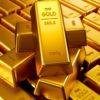
According to the International Olympic Committee (IOC), gold medals must be crafted from silver containing at least 92.5% pure silver, then coated with a minimum of six grams of pure gold. This thin gold layer provides the iconic golden sheen, while silver forms the bulk of the medal’s structure. The IOC also mandates that medals measure at least 60 millimetres in diameter and three millimetres in thickness, though their weight and design vary across different Games.

Paris 2024’s Unique Touch

The Paris 2024 Olympics introduced a distinctive sustainability-driven approach. Each gold and silver medal was made with recycled silver, while the gold medals included six grams of recycled gold. Adding to their uniqueness, each medal contained an original piece of iron from the Eiffel Tower—a symbolic nod to French heritage.

Why Not Solid Gold?

The tradition of awarding gold medals dates back to the 1904 St. Louis Games. However, the last time medals were made entirely of solid gold was at the 1912 Stockholm Olympics. Since then, practicality and cost have led to silver cores with gold plating. Producing thousands of solid-gold medals would be prohibitively expensive, especially given the number of events and athletes. The silver base keeps costs down while preserving the prestigious gold finish.

Silver and Bronze Medals

Silver medals are primarily composed of pure silver, while bronze medals are typically made from copper-based alloys. Their exact composition can differ depending on the host city’s manufacturing choices and sustainability goals.

Beyond Material Value

Ultimately, an Olympic gold medal’s true worth lies not in its physical composition but in what it represents. The thin layer of gold may be modest, but the medal embodies years of relentless training, perseverance, and the realization of an athlete’s dream. Its symbolic value far outweighs its material cost, making it one of the most cherished prizes in the world of sport.

Click to comment

Leave a Reply

Your email address will not be published. Required fields are marked *

More in Trending

To Top