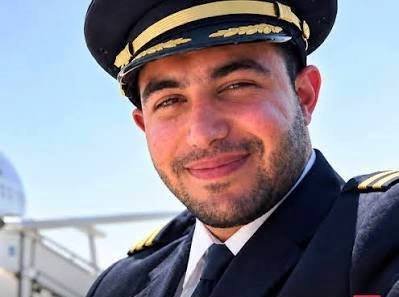
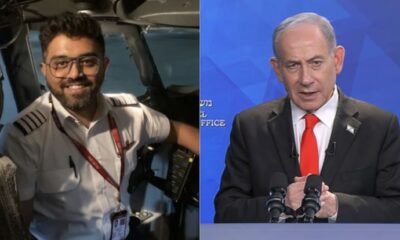
Authorities say Hamam al-Hammami was previously blocked from aviation over extremist interests.
Senior officials in Oman have acknowledged that Hamam al-Hammami, the co-pilot accused of attacking Captain Smit Machchhar aboard flydubai flight FZ1073, had earlier been prevented from pursuing a career in aviation within the country. According to sources, his online activity revealed a troubling interest in extremist websites and terrorism-related material, prompting Omani authorities to halt his training.
Despite these concerns, al-Hammami later secured opportunities abroad. Officials told NDTV that Oman was never formally consulted for security verification before he took up employment elsewhere. “If the information was formally sought from Oman, all the facts available to us would have been shared,” one source noted, stressing that a procedural lapse allowed him to bypass restrictions.
Al-Hammami, identified in media reports as an Omani citizen with a Syrian mother, spent much of his life outside Oman, including in the UAE and Syria. Reports indicate Oman removed him from aviation-related duties because of ideological concerns. International outlets, including The Wall Street Journal, have echoed similar accounts of his disrupted aviation career.
The incident, which UAE and Israeli authorities have described as an attempted “terrorist act,” has raised pressing questions about how an Omani national was assigned to a Dubai–Tel Aviv flight. Aviation agreements between Israel and the UAE stipulate that such flights should be operated by UAE citizens or nationals of countries maintaining diplomatic ties with Israel. Since Oman has no relations with Israel, officials suspect al-Hammami may have held another citizenship, though this remains unverified.
Omani sources have candidly admitted that “there was a big mistake somewhere,” pointing to negligence, lapses in supervision, or possible wilful neglect in adhering to established aviation procedures. While no specific airline, regulatory body, or government agency has been named, the case highlights serious gaps in international security checks and coordination.
As investigations continue, the unanswered question remains: how did a pilot flagged for extremist sympathies in Oman end up in the cockpit of a flight bound for Tel Aviv? For now, officials in both Oman and the UAE are under pressure to explain the oversight breakdown that allowed this incident to occur.