Trump’s reluctance leaves Riyadh struggling for options.
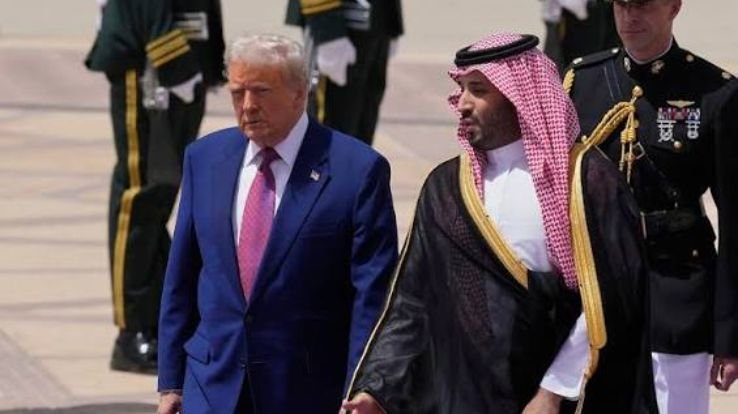
Saudi Arabia faces mounting pressure as Iran‑backed Houthi rebels intensify attacks on its oil infrastructure and shipping routes, threatening global energy stability. Despite years of cultivating ties with Washington, Riyadh is now confronting the limits of its alliance. US President Donald Trump, wary of widening an unpopular Middle East war ahead of congressional elections, has declined to take direct military action against the Houthis, leaving the kingdom exposed.
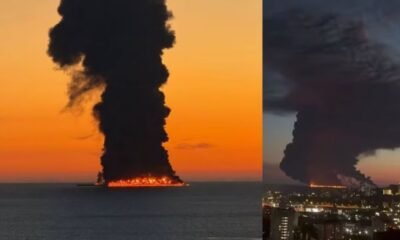
The Houthis’ recent advances have been particularly damaging. In late August, a Saudi oil tanker was struck in the Strait of Hormuz, killing two sailors. Soon after, rebels seized the Yemeni port city of Mokha and a Red Sea island, strengthening their ability to disrupt Saudi shipments through the Bab el‑Mandeb Strait. Drone strikes originating from Iraq forced Riyadh to shut down its critical east‑to‑west pipeline, further restricting exports. As a result, Saudi oil shipments to Asia plummeted from 3.4 million barrels per day in June to just 128,000 in August, with only partial recovery in September.
Diplomatic efforts have stalled. Talks involving Iran, Saudi Arabia, and Gulf states collapsed over the weekend, underscoring the deep divide. Analysts warn that military escalation risks heavier retaliation, while concessions- such as lifting the Saudi‑led blockade could empower the Houthis in the long run. “Every available option carries significant costs and uncertain outcomes,” observed Neil Quilliam of Chatham House.
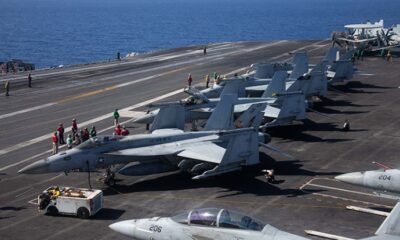
The crisis highlights Riyadh’s reliance on US security guarantees. Trump’s refusal to act recalls his muted response to the 2019 Houthi strike that temporarily turned off half of Saudi oil production. More recently, Washington launched attacks on Iran without consulting Gulf allies, eroding trust. Former US ambassador Michael Ratney described the situation as “incredibly frustrating,” while ex‑Pentagon official Dan Shapiro called Trump’s rebuff “bitterly disappointing.”
For Crown Prince Mohammed bin Salman, the timing is particularly damaging. His ambitious plans to transform Saudi Arabia into a global business hub depend on regional stability. Yet renewed conflict with the Houthis threatens both economic diversification and energy security. With limited interceptor missiles and mounting pressure on oil exports, Riyadh faces a stark choice: escalate militarily, pursue fragile diplomacy, or continue relying on uncertain US intelligence support.
As the Houthis tighten their grip on Red Sea routes, Saudi Arabia’s shrinking options underscore the fragility of its partnership with Washington and the growing leverage of Iran in a conflict with no clear resolution.