US Officials question Jensen Huang’s awareness amid espionage concerns.
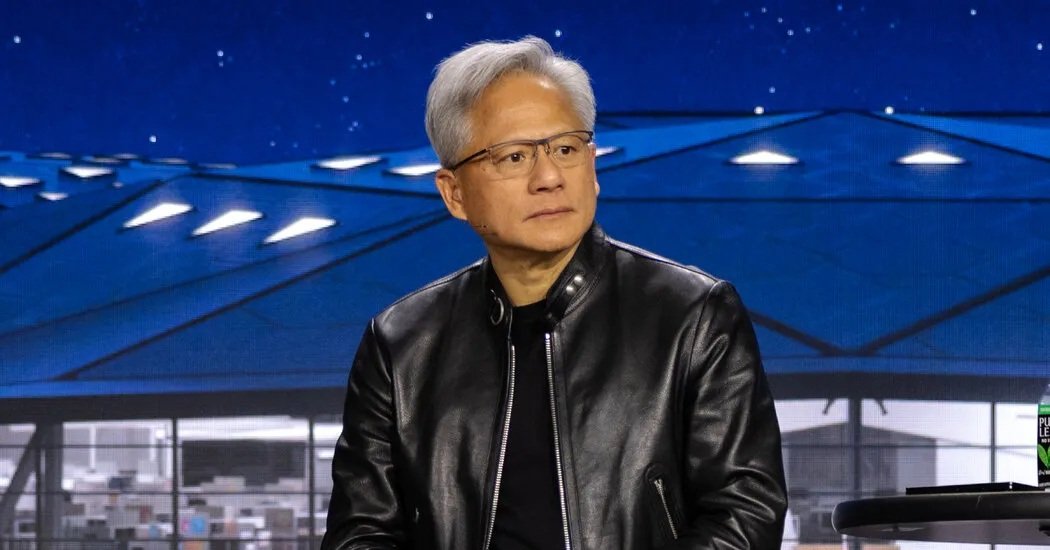
Nvidia chief executive Jensen Huang has come under scrutiny after reports that he was targeted in a Chinese espionage operation. According to US intelligence assessments cited by The New York Times, Alice Huang, a Chinese national and senior executive at Singapore-based data centre operator Megaspeed, cultivated ties with Jensen Huang while allegedly acting as an intelligence asset for Beijing.
The US Commerce Department has investigated Megaspeed over suspicions that it helped China circumvent restrictions on acquiring Nvidia’s advanced AI chips. Officials believe that Alice Huang’s proximity to Nvidia’s leadership may have given Beijing valuable insights into corporate strategy and US policy deliberations.
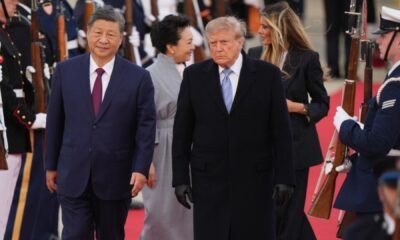
Former President Donald Trump was reportedly briefed on the matter a year ago but took no action. Sources suggest he was reluctant to disrupt Nvidia’s booming business, a key driver of US stock market growth, and feared jeopardising trade relations with China. Some officials, however, remain sceptical that Jensen Huang was unaware of Alice Huang’s intelligence role.
Nvidia has firmly rejected the claims. Company spokesperson John Rizzo emphasised that Huang’s meetings with executives such as Alice Huang were routine and covered only standard business information, not sensitive trade secrets or national security data. Nvidia also stated that internal reviews found no evidence of chip smuggling and noted that China has already blocked US AI chips from entering its market to protect domestic industry.
The Chinese Embassy in Washington dismissed the espionage allegations as politically motivated, accusing the US of spreading “groundless smears.” Despite export curbs introduced in 2022, reports indicate that some entities have illicitly moved Nvidia hardware into China, while others have exploited loopholes by establishing data centres in Southeast Asia to rent computing power to Chinese firms.
Adding to the controversy are Nvidia’s close ties to Trump. The company has donated millions to his initiatives and pledged vast sums to US manufacturing. Huang personally lobbied against stricter export bans and was seated prominently at recent state dinners. While Trump allowed limited sales of older-generation chips to China, he stopped short of approving exports of more advanced technology, a decision that divided policymakers.
The episode highlights the growing tension between safeguarding national security and sustaining economic growth, as advanced semiconductors become a central front in US-China competition.