







Connect with us

Indian Daily Post

BJP’s Bengal Win: What It Means for India’s Economy and Markets

Politics

BJP’s Bengal Win: What It Means for India’s Economy and Markets

BJP’s Bengal Win: What It Means for India’s Economy and Markets


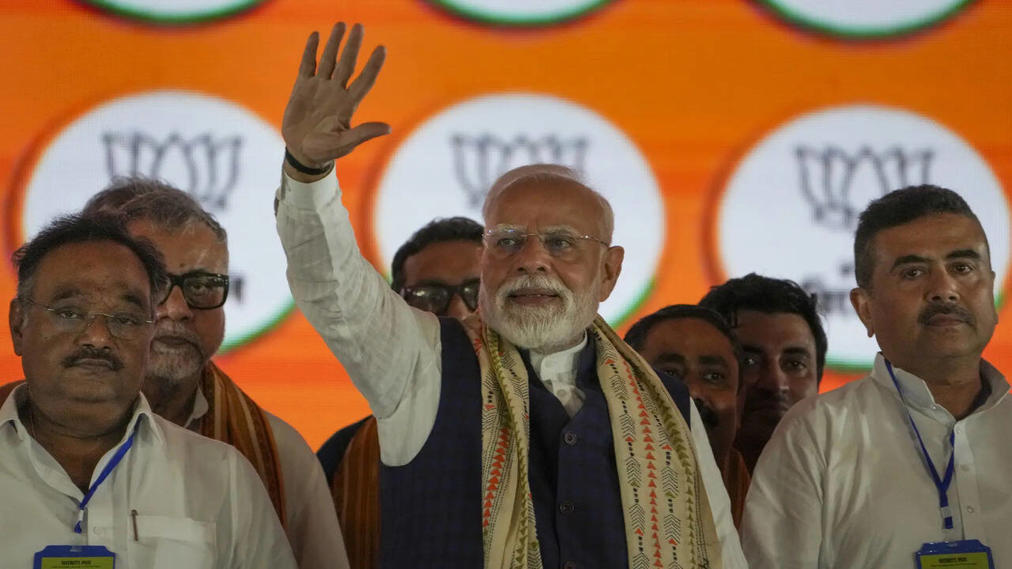
Early trends from the West Bengal assembly elections show the Bharatiya Janata Party leading in 185 seats, pushing the ruling All India Trinamool Congress to a distant second with roughly 100 seats. The results point to a historic political shift in one of India’s most economically significant states.

What a Regime Change Could Mean for Growth

Market analysts are already bullish on the outcome. Sunil Singhania, founder of Abakkus Asset Management, stated that a regime change in West Bengal could add 0.5% to India’s GDP. He noted that Bengal was once a thriving business hub, but policy choices over the years drove investment away. Drawing parallels with Uttar Pradesh’s economic transformation under a pro-business government, Singhania believes West Bengal holds the potential to become a $1 trillion economy.

West Bengal is currently India’s sixth-largest state economy, generating a GDP of over ₹20 lakh crore and growing at 9.3% annually. Its strategic position as a gateway to eastern India and Southeast Asia, combined with industrial strengths in steel, textiles, and heavy manufacturing, makes it a compelling destination for investors.

Markets Have Historically Favoured BJP-Led Governments

Independent market expert Ambareesh Baliga noted that markets have consistently responded positively to BJP’s state-level wins, citing Bihar as a recent example. Investors expect pro-business reforms and investment-friendly policies to follow.

Outgoing Chief Minister Mamata Banerjee, who declared total assets of just ₹15.4 lakh, leaves behind a state on the cusp of significant economic reinvention.

Click to comment

Leave a Reply

Your email address will not be published. Required fields are marked *

More in Politics

To Top