Why the Siberian case raises global concerns.
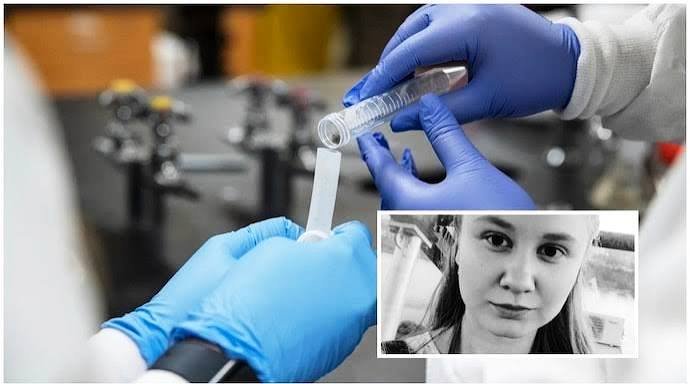
Reports from Irkutsk, Siberia, have reignited fears of plague- a disease often associated with medieval pandemics rather than modern laboratories. A 28-year-old technician, Darya Shipilova, working at the Irkutsk Anti-Plague Research Institute, died after developing severe pneumonia. Nearly 200 contacts are under medical observation, and five hospitals have been quarantined, though Russian authorities have not confirmed plague as the cause. Officials maintain the regional epidemiological situation is stable, describing the illness as “pneumonia of unknown origin.”
Despite the absence of confirmation, the circumstances have drawn international scrutiny. Media reports suggest possible exposure to Yersinia pestis, the bacterium responsible for plague. US biosecurity experts, including Dr Ashish K. Jha, have voiced concern, noting the unusual scale of precautionary measures.
Understanding Plague Transmission
Plague is a zoonotic bacterial infection that circulates among small mammals and their fleas. Humans may contract it through flea bites, handling infected animals, or—in the case of pneumonic plague—by inhaling respiratory droplets from an infected person.
There are three forms:
- Bubonic plague: marked by painful, swollen lymph nodes (buboes).
- Septicaemic plague: a bloodstream infection that causes systemic illness and organ failure.
- Pneumonic plague: the most dangerous form, capable of human-to-human transmission via respiratory particles.
The World Health Organisation (WHO) warns that untreated pneumonic plague can be fatal within 24 hours, though timely antibiotic treatment is effective.
India’s 1994 Experience
India has direct historical experience with plague resurgence. After decades of absence, outbreaks reappeared in 1994. Bubonic plague was first reported in Maharashtra’s Beed district, followed by a dramatic pneumonic plague episode in Surat, Gujarat. WHO records cite 876 suspected cases and 54 deaths in Surat alone.
The outbreak triggered widespread panic and economic disruption, and it highlighted the importance of surveillance of rodents, fleas, and unusual animal deaths. Epidemiologists stress that plague persists in natural reservoirs and can re-emerge when ecological conditions align.
Current Concerns
Globally, plague cases today are rare and largely confined to regions such as Madagascar and the Democratic Republic of the Congo. Yet experts caution that the bacterium has not disappeared. As an ICMR specialist noted, “Plague remains possible wherever a natural focus involving bacteria, animal reservoirs and vectors such as fleas exists.”
For now, the Russian episode remains unconfirmed. While the death of a laboratory worker and the scale of quarantine measures warrant vigilance, health specialists advise against premature conclusions. As India’s 1994 outbreak demonstrated, preparedness, surveillance, and rapid response are key to preventing panic and ensuring public safety.