Deployment of third aircraft carrier heightens tensions with Iran.
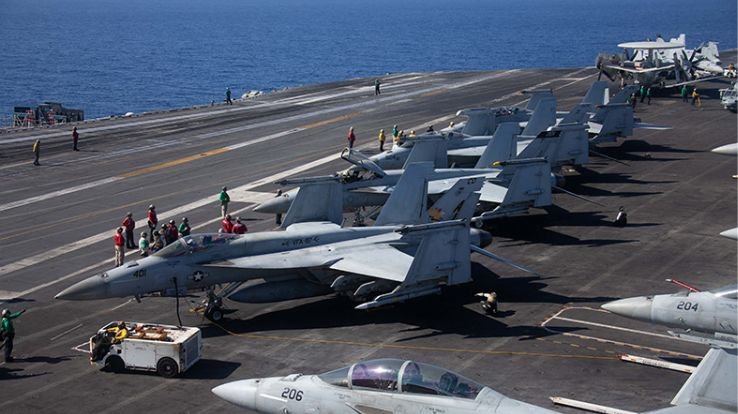
The United States is reinforcing its military footprint in the Middle East by deploying a third aircraft carrier, the USS Theodore Roosevelt, with nearly 10,000 service members. This move follows President Donald Trump’s stern warnings to Iran in the aftermath of the upcoming midterm elections. The carrier strike group is expected to arrive by the end of November, joining the USS George H.W. Bush and the USS George Washington, already stationed in the region.
The presence of three carriers in the Middle East is unusual and marks one of the largest U.S. naval concentrations in recent years. The George Washington, typically assigned to the Pacific, has been redirected to relieve the USS Abraham Lincoln after its extended deployment. With this buildup, the U.S. will have more than 20,000 sailors and Marines and hundreds of aircraft positioned in the area, signalling a readiness for potential escalation.
This military reinforcement comes amid heightened diplomatic strain. Last week, Iran presented a peace proposal at the UN General Assembly, transmitted through Qatari mediators, seeking to reopen the Strait of Hormuz. President Trump dismissed the offer, claiming Tehran was “losing so badly” that it was desperate to strike a deal. His rejection underscores Washington’s unwillingness to ease pressure on Iran without significant concessions.
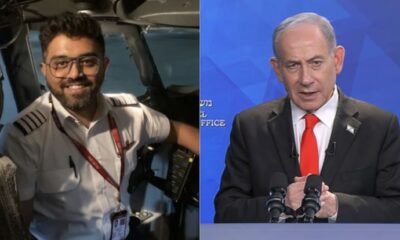
Adding to the volatility, Trump suggested Iran may have ties to a disturbing aviation incident involving a flydubai co-pilot who attacked the captain and attempted to crash an Israel-bound flight. While no official evidence has confirmed Iranian involvement, Trump hinted at possible links to the Islamic Revolutionary Guard Corps (IRGC), warning that if responsibility is proven, Iran would face severe retaliation.
The combination of expanded military presence and sharp rhetoric reflects a period of mounting tension. Washington’s strategy appears to mix deterrence and preparation, ensuring overwhelming force in the region while dismissing diplomatic overtures. For Iran, the rejection of its peace initiative and the potential accusations of involvement in terrorism-related incidents further isolate the regime on the global stage.
As the carriers converge and U.S. forces swell, the Middle East braces for a precarious phase in which diplomacy is sidelined, and military readiness takes centre stage. The coming weeks will reveal whether this buildup leads to confrontation or compels Iran to recalibrate its approach.