From protein-packed meat chips to fusion-flavoured makhana, snack brands are reinventing what Indians reach for between meals.
Snacking in India has evolved far beyond a simple evening habit. Today, people snack throughout the day, whether at work, while travelling, watching their favourite shows, or to satisfy late-night cravings. This shift in eating patterns has created exciting opportunities for brands to experiment with flavours, ingredients, and formats once considered unusual.
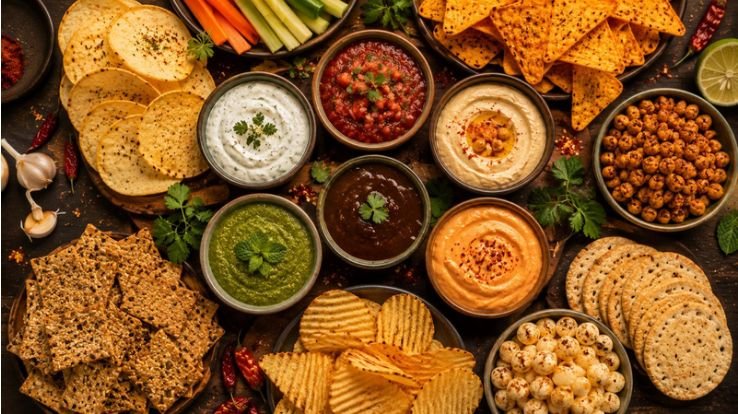
The modern Indian snack aisle reflects this transformation. Consumers can now choose from pao bhaji-flavoured makhana, air-fried okra crisps, chocolate-coated pretzels, spicy edamame, and even meat-based crisps. Brands are increasingly blending familiar Indian flavours with global influences to create products that appeal to younger, more adventurous consumers.
Startups are driving much of this innovation. Many are launching limited-edition flavours inspired by international food trends, travel experiences, and social media culture. Products such as truffle chips, hot honey snacks, and dessert-inspired pretzels are attracting buyers who enjoy trying something new. Gen Z consumers’ willingness to experiment has encouraged companies to take greater risks than ever before.
Traditional food businesses are also adapting to shifting preferences. Alongside classic offerings such as bhujia and boondi, they now stock healthier alternatives, including quinoa chips, flavoured makhana, millet snacks, and vegetable crisps. These additions help established brands remain relevant while catering to health-conscious customers.
One of the fastest-growing segments is protein-rich snacking. Entrepreneurs have introduced innovative products made from chicken and other meats, targeting fitness enthusiasts and consumers seeking convenient, high-protein options. These snacks offer an alternative to conventional crisps while maintaining taste and portability.
Packaging has become as important as flavour. Bright colours, eye-catching illustrations, premium finishes, and distinctive branding help products stand out in crowded retail spaces. At the same time, brands have learned that affordability matters. Smaller pack sizes allow customers to try new products without spending too much.
Despite the appetite for innovation, Indian consumers continue to favour familiar flavours. Tangy, spicy, and chatpata flavours remain the strongest performers, even as international options such as Korean spice blends, Mexican seasonings, and Thai-inspired flavours gain popularity.
Quick-commerce platforms have further accelerated the growth of the snack category by making new products instantly available. Whether discovered online or at airports, cafés, gyms, or grocery stores, modern snacks reach consumers through multiple channels.
As competition intensifies, brands that balance novelty with familiarity and quality with convenience are likely to shape the future of India’s rapidly expanding snacking culture.