Simple ways to boost protein in everyday meals.
A vegetarian diet can be wholesome and satisfying, but many plates often fall short on protein. Meals built around rice, roti, potatoes, and vegetables may provide energy but not enough of this macronutrient, which is essential for muscle repair, satiety, and overall health. Nutrition experts emphasize that vegetarians need to be intentional about including protein-rich foods in each meal to ensure balance and nourishment.
Why Protein Matters
Protein plays a vital role in building and repairing tissues, supporting metabolism, and keeping meals filling. Without adequate intake, vegetarians may experience fatigue, slower recovery, or difficulty meeting fitness goals. The key is not to complicate the diet but to make small, consistent adjustments that add a reliable protein source to every plate.
Everyday Protein Sources
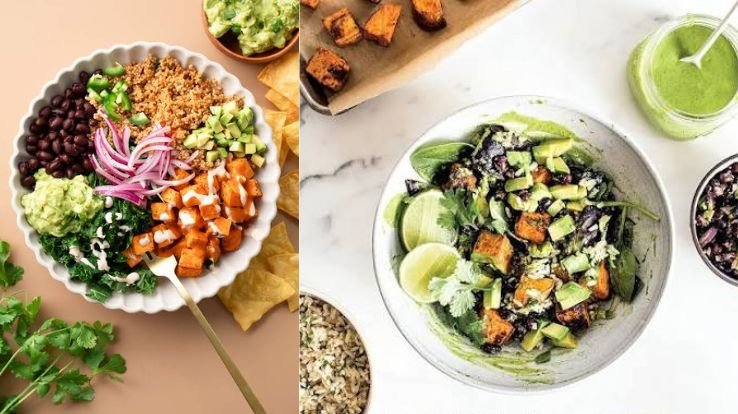
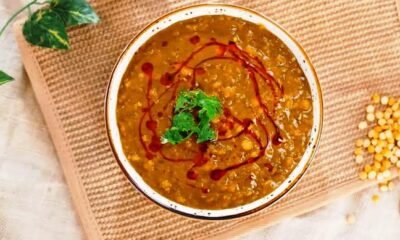
Pulses such as lentils, chickpeas, kidney beans, and black-eyed peas are excellent staples. Soy-based foods like tofu and soy chunks provide complete plant protein, while dairy products including milk, yogurt, and paneer add variety and richness for those who consume them. These ingredients are widely available and easy to incorporate into traditional Indian meals.
Smart Food Combinations
Pairing pulses with grains such as dal with rice or rajma with roti creates a balanced amino acid profile, making the meal more nutritious and satisfying. Adding paneer or curd to vegetable dishes enhances both taste and protein content. Such combinations transform carbohydrate-heavy meals into well-rounded plates that support long-term health.
Protein-Packed Snacks
Snacking is another opportunity to increase protein intake. Options like roasted chickpeas, nuts, seeds, and sprouts are simple, portable, and nutrient-dense. They provide energy without excessive sugars or refined carbohydrates, making them ideal for busy schedules or post-workout recovery.
Tailoring to Individual Needs
Serving sizes and protein protein-richneeds vary by age, activity level, and health status. For those who exercise regularly, higher protein intake may be necessary. However, the principle remains the same: build meals around a solid protein source, complemented by vegetables and whole grains.
The Takeaway
Vegetarian diets can deliver adequate protein with thoughtful planning. By including pulses, soy, dairy, and nuts across meals and snacks, vegetarians can enjoy diverse, nourishing dishes that meet nutritional needs without relying on eggs or meat. With a little creativity, every plate can be both satisfying and protein-rich.