Higher protein, thicker texture, and a premium price tag. Here’s what you should know before switching.
Greek yoghurt has become immensely popular among fitness enthusiasts and health-conscious consumers, often promoted as a superior dairy option for its high protein content. But does it truly offer benefits that justify its significantly higher price compared with traditional Indian curd? The answer depends on your health goals, dietary needs, and budget.
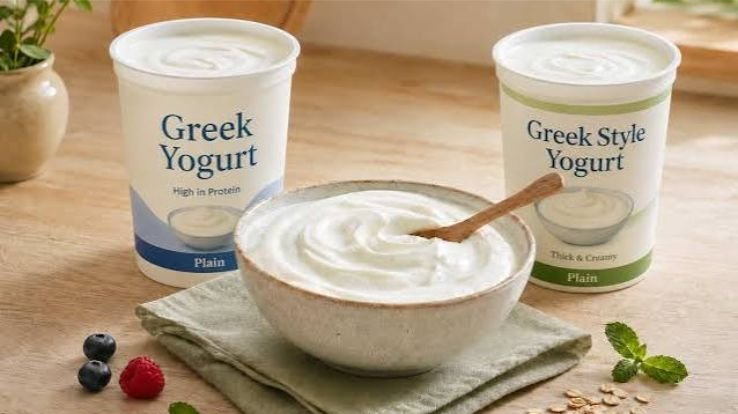
While both Greek yoghurt and regular curd are nutritious dairy products, they differ in preparation, texture, and nutrient concentration. Greek yoghurt is made by straining standard yoghurt to remove much of its whey. This extra step gives it a thicker, creamier consistency and increases the concentration of several nutrients, especially protein.
One of Greek yoghurt’s strongest selling points is its protein content. A 100-gram serving typically contains around 8 to 10 grams of protein, whereas regular yoghurt offers approximately 3 to 4 grams. This makes Greek yoghurt particularly appealing to people looking to boost their protein intake without adding extra calories from meat or supplements.
Protein is vital for maintaining muscle strength, repairing tissues, and regulating appetite. For older adults, adequate protein intake is especially important, as muscle mass naturally declines with age. Athletes, gym-goers, and other physically active individuals may also benefit from including Greek yoghurt in their meals, particularly after workouts when the body needs protein for recovery and muscle repair.
Another advantage of Greek yoghurt is its ability to promote a feeling of fullness. Because protein takes longer to digest, it can help reduce cravings and unnecessary snacking throughout the day, making it a useful option for those trying to manage their weight.
However, shoppers should be cautious when selecting yoghurt products. Many flavoured varieties available in stores contain substantial amounts of added sugar, which can reduce their health benefits. Checking nutrition labels for total and added sugar content is essential. Plain, unsweetened yoghurt is generally the healthiest choice.
Price is another key factor. Greek yoghurt can cost several times more than traditional curd, which may not be practical for every household. Despite its lower protein content, homemade curd remains highly nutritious, providing calcium, protein, probiotics, and other essential nutrients.
Ultimately, Greek yoghurt is an excellent option for those with higher protein needs, but it is not a necessary substitute for regular curd. For most families, traditional curd remains an affordable, wholesome, and nutritious everyday staple that supports overall health without straining the budget.