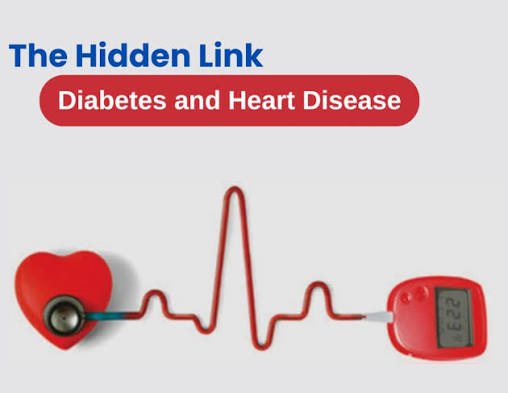
Why insulin resistance in Type 1 Diabetes demands extra vigilance.
Diabetes is typically divided into two categories: type 1, in which the immune system destroys insulin-producing cells, and type 2, in which the body resists insulin’s effects. Yet, some individuals with type 1 diabetes also develop insulin resistance, creating a condition often referred to as “double diabetes.” Although it’s not an official diagnosis, this overlap complicates glucose management and increases the risk of long-term complications.
What Makes Double Diabetes Different
In type 1 diabetes, insulin therapy is essential for survival. When insulin resistance develops alongside it, the body requires higher doses to maintain target glucose levels. This dual challenge makes treatment more complex, often requiring adjustments in medication, diet, and lifestyle under medical supervision.
Warning Signs to Watch
Early indicators may resemble poorly controlled diabetes. Persistently high blood sugar, unexplained fatigue, excessive thirst, and frequent urination are common red flags. Difficulty stabilizing glucose despite treatment adherence can also suggest insulin resistance. Severe symptoms such as vomiting, abdominal pain, or confusion may signal diabetic ketoacidosis, a medical emergency requiring immediate care.
Key Risk Factors
Several influences contribute to insulin resistance in type 1 diabetes:
- Excess body weight, particularly abdominal fat.
- Physical inactivity, which reduces insulin sensitivity.
- Unhealthy dietary patterns, especially frequent intake of refined carbohydrates and sugary drinks.
- Family history of type 2 diabetes, which may increase susceptibility.
Importantly, double diabetes is not caused simply by consuming sugar; genetics, body composition, and lifestyle all play a role.
Impact on the Body
Persistently elevated glucose damages blood vessels and nerves over time. This can lead to cardiovascular disease, diabetic retinopathy affecting vision, neuropathy causing pain or numbness, and kidney disease that may progress silently to kidney failure.
Reducing the Risk
Managing double diabetes requires a proactive approach:
- Follow a balanced, individualized diet plan.
- Engage in regular physical activity to improve insulin sensitivity.
- Monitor blood glucose consistently, ideally with continuous tracking devices.
- Control blood pressure and cholesterol to protect heart and kidney health.
- Avoid smoking, which worsens cardiovascular outcomes.
- Schedule routine eye, foot, and kidney checks to detect complications early.
Conclusion
Double diabetes underscores the importance of vigilance in type 1 diabetes care. While it complicates glucose control, healthy lifestyle habits, risk-factor monitoring, and regular medical reviews can significantly reduce long-term complications.