Special transit access highlights Tehran’s effort to safeguard key economic partnerships amid escalating Gulf tensions.
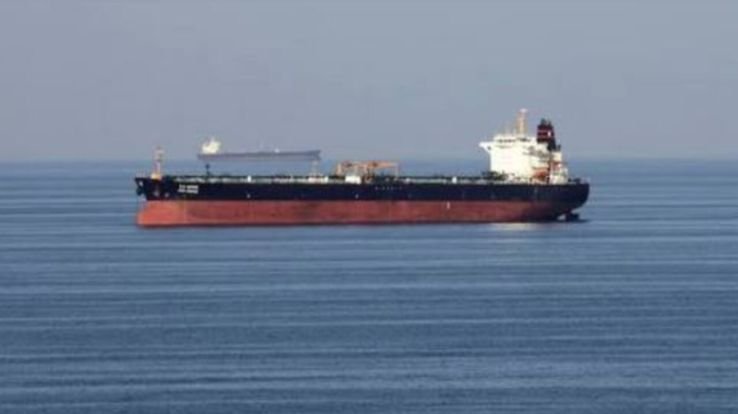
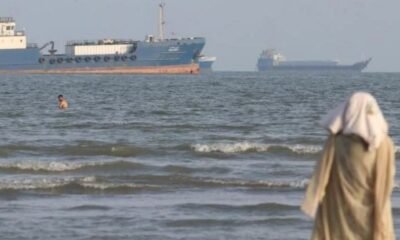
As tensions continue to disrupt maritime traffic in the Gulf region, Iran has reportedly granted special passage rights through the Strait of Hormuz to commercial vessels from India, China, Iraq, and Qatar. The move comes as most international shipping faces strict restrictions and heightened security checks in one of the world’s most critical maritime corridors.
According to Iranian officials, the exemption is based on mutual strategic and economic interests shared by Tehran and the four countries. Amir Hayat Moghadam, Deputy Chairman of Iran’s Parliamentary Committee on National Security and Foreign Policy, said that Indian vessels have been granted access to facilitate the import of medicines. At the same time, Chinese ships are being allowed passage to help preserve Beijing’s political and economic support for Iran.
The development is particularly important for India, which relies heavily on the Middle East for crude oil and energy supplies. The Strait of Hormuz is a major gateway for India’s trade with Gulf nations, making uninterrupted access crucial to energy security and commercial stability. However, although Indian ships may move through the waterway more freely, the exemption is not believed to eliminate transit-related charges or fees imposed by Iranian authorities.
China’s inclusion reflects its deep economic ties with Iran. As one of the largest buyers of Iranian oil, Beijing remains a key source of revenue and diplomatic support for Tehran. Ensuring smooth passage for Chinese vessels helps safeguard a relationship that matters to both countries.
Qatar and Iraq were also included for their strategic importance. Qatar plays a critical role in global liquefied natural gas exports and in regional shipping operations, while Iraq remains closely linked to Iran’s broader security and geopolitical interests.
The Strait of Hormuz, which normally carries around one-fifth of the world’s energy supplies, has experienced severe disruptions since fighting intensified in the region earlier this year. Restrictions on maritime movement, together with military actions involving Iran, the United States, and Israel, have heightened risks for commercial shipping.
India has expressed concern about repeated attacks on merchant vessels and the loss of Indian seafarers in the conflict zone. New Delhi has consistently called for restraint, dialogue, and diplomatic engagement, emphasising that international waterways must remain open for lawful trade and navigation. The latest Iranian exemption offers some relief to Indian shipping, but uncertainties over regional stability continue to pose significant challenges for global commerce.