Alleged spy links, classified reports and AI chip politics converge in a high-profile controversy.
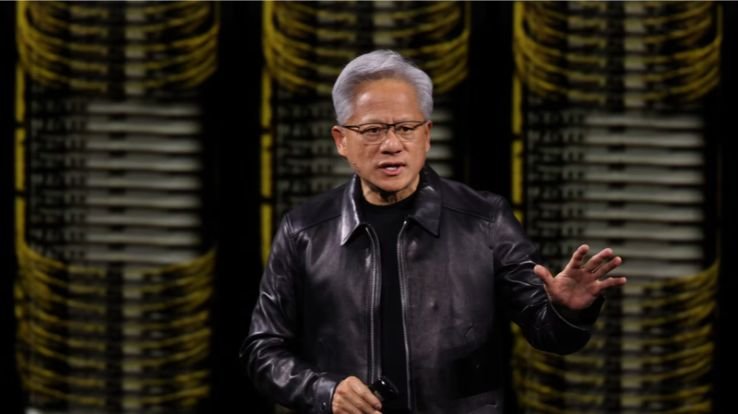
A confidential report prepared within the US government reportedly placed Nvidia CEO Jensen Huang at the centre of a sensitive national security discussion, raising concerns about his ties to a Chinese business executive suspected of links to Beijing’s intelligence apparatus.
According to reports, senior US official Marco Rubio drafted the classified memorandum in 2025 and circulated it among key members of the Trump administration ahead of President Donald Trump’s visit to China. The document drew on intelligence gathered through electronic surveillance of Alice Huang, a Chinese national and former senior executive at the Singapore-based technology company Megaspeed.
American intelligence agencies reportedly believed that Alice Huang had ties to China’s Ministry of State Security and may have been tasked with gathering information on Jensen Huang, one of the most influential figures in the global artificial intelligence sector. Investigators allegedly warned that the relationship could be part of a broader effort to obtain valuable insights into the rapidly expanding AI industry.
The issue carried additional significance because Nvidia has become a leading force in advanced AI hardware, while Jensen Huang has publicly advocated for maintaining access to the Chinese market. He has repeatedly argued that excessive restrictions on high-end chip exports could weaken American technology companies’ competitive position.
Reports indicate that Huang was initially omitted from a list of prominent business leaders expected to accompany President Trump on an official visit to China. However, after public attention turned to his absence, the president invited him to join the delegation. Huang subsequently met the presidential team during a stop in Alaska before continuing to China.
The controversy deepened when The New York Times reported that Trump had previously been briefed on intelligence findings involving Alice Huang. During the investigation, officials allegedly identified Jensen Huang as a key figure in communications under surveillance.
In a separate development, Huang publicly acknowledged a personal relationship with Alice Huang and apologised to his family. He accepted responsibility for his actions and expressed regret for the pain he had caused his wife and children.
Despite the allegations and media scrutiny, Trump defended Nvidia’s chief, describing him as a respected and honourable executive. Nvidia also said an internal review found no evidence that the company’s secrets or national security information had been compromised.
Meanwhile, attention has shifted to Megaspeed’s business activities, including its large-scale purchases of Nvidia products and its data centre operations in Southeast Asia. US officials have reportedly examined whether such arrangements may have enabled restricted technology to reach Chinese entities indirectly.
China has strongly rejected the allegations as baseless and politically motivated, whereas Alice Huang has not made any public comment.