Diplomat highlights Pakistan’s terror links and human rights abuses.
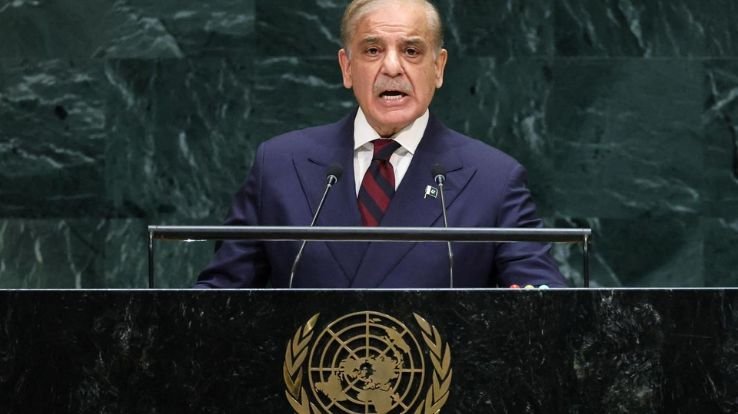
India issued a firm response to Pakistan Prime Minister Shehbaz Sharif’s address at the United Nations General Assembly, where he credited U.S. President Donald Trump for intervening in the 2025 conflict and again raised the Kashmir issue. Representing India, diplomat Petal Gehlot dismissed Sharif’s remarks as “bizarre” and reminded the Assembly that Osama bin Laden, mastermind of the 9/11 attacks, was discovered living near Pakistan’s military academy.
Gehlot accused Pakistan of duplicity, stating that it “pretends to uphold security by day while sponsoring terrorism by night.” She emphasized that India will continue to defend itself against cross-border attacks, warning that “continued terrorism by Pakistan will have consequences.” This follows India’s Operation Sindoor in May 2025, which targeted terror infrastructure in Pakistan and Pakistan-occupied Kashmir after the April Pahalgam attack that killed 26 civilians.
Sharif’s 23-minute speech called for a “fair solution” to the Kashmir dispute to prevent another crisis like 2025. India countered by reaffirming Jammu and Kashmir as its “integral and inalienable part” and drew attention to human rights violations in Pakistan-Occupied Kashmir. Gehlot criticized Pakistan’s governance, describing it as “a regime of the army, for the army, and by the army,” where civilian leaders remain subordinate to military control.
India also condemned Pakistan’s record on religious freedom, pointing to blasphemy laws and the persecution of minorities. On Sharif’s reference to the Indus Waters Treaty, India reiterated that the agreement remains suspended until Pakistan ends its support for terrorism. This suspension was part of a series of diplomatic and economic measures taken after the Pahalgam attack.
Gehlot urged the UN Assembly to recognize Pakistan’s policies “for what they are, not what its representatives mendaciously present,” stressing that repeated falsehoods will not alter reality. India’s reply underscored its position that Pakistan’s actions undermine regional stability and that New Delhi will not tolerate continued cross-border violence.
The exchange highlights the deepening rift between the two nations, with India framing Pakistan as a state sponsor of terrorism and warning of decisive consequences if such activities persist.