Cleric’s revelation sparks confusion over supreme leader’s health.
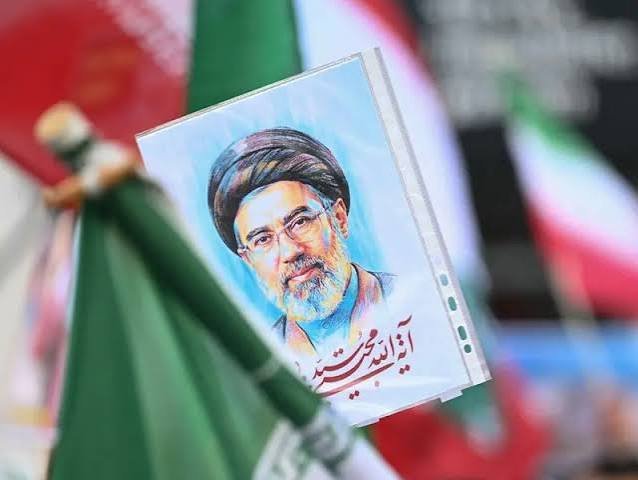
Tehran’s political landscape has been shaken by extraordinary claims about Mojtaba Khamenei, Iran’s newly appointed Supreme Leader. According to Ayatollah Mohsen Heidari Alekasir, a senior cleric and member of the Assembly of Experts, Mojtaba survived not one but two deadly strikes carried out by U.S. and Israeli forces earlier this year.
The first attack on February 28 destroyed the compound of Ayatollah Ali Khamenei, killing the 86‑year‑old leader along with several aides and family members. Mojtaba, his son, was reportedly injured and rushed to a hospital in Tehran. Yet, Alekasir alleges that the hospital itself became a target soon after, with American and Israeli forces striking three medical facilities in the capital. Mojtaba was said to be inside the third hospital when it was bombed, and was dramatically “pulled from the rubble” by rescuers.
Following these events, Mojtaba was transported to an undisclosed location. His absence from public view has fuelled speculation about his condition. While Alekasir insists the cleric was wounded and remains in hiding, Iranian President Masoud Pezeshkian recently told Fox News that Mojtaba is “completely healthy,” adding to the uncertainty surrounding his status.
The succession process itself unfolded under intense pressure. Alekasir revealed that Mojtaba had no prior knowledge of being considered for leadership until the March 8 announcement on state television. Once nominated, however, he was deemed “legally and religiously” obligated to accept the role. The Assembly of Experts, responsible for selecting Iran’s supreme leader, voted overwhelmingly in his favour- 50 of 59 members supported Mojtaba, while eight backed Ayatollah Alireza Arafi and one abstained.
The Assembly itself was not spared from attacks, with its Secretariat in Qom reportedly bombed during the strikes. Despite these assaults, Alekasir emphasized that the clerical body was united in its decision: “Given the enemy’s position, we will choose and elect no one as leader and supreme guide of the Islamic Republic except Ayatollah Mojtaba Khamenei.”
The conflicting narratives between clerics describing Mojtaba as a survivor of repeated bombings and officials portraying him as fully fit- highlight the opaque nature of Iran’s leadership transition. Whether wounded or healthy, Mojtaba’s rise marks a pivotal moment for the Islamic Republic, one forged in the shadow of war and uncertainty.