Houthis’ Renewed Strikes Expose Riyadh’s Strategic Vulnerabilities.
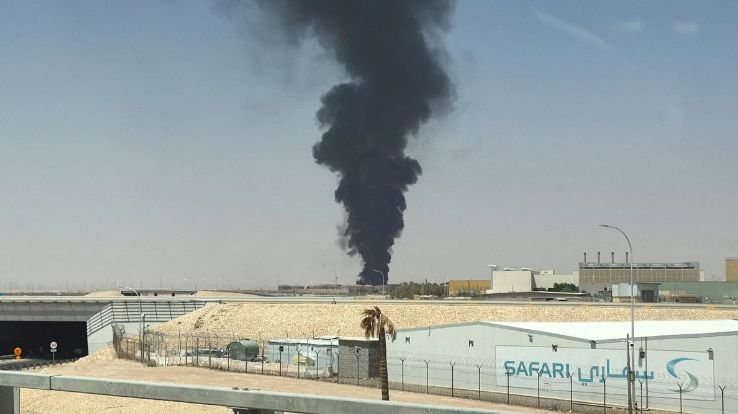
Saudi Arabia has been pulled back into Yemen’s civil war after a series of miscalculations left the kingdom exposed to escalating attacks from Iran‑backed Houthi rebels. Despite years of attempting to contain the conflict and restore regional stability, Riyadh now finds itself facing missile and drone strikes that have disrupted its cities, oil facilities, and ambitious modernization plans.
Crown Prince Mohammed bin Salman’s vision to transform Saudi Arabia into a global hub for tourism, investment, and entertainment has hit setbacks. Concerts, film festivals, and major projects have been suspended, while recent Houthi attacks on airports killed at least three people, including a Saudi pilot. The renewed violence underscores the fragility of Saudi Arabia’s security environment after 11 years of involvement in Yemen’s war.
The unravelling began with a rift between Saudi Arabia and the UAE, once close partners in the fight against the Houthis. Tensions flared when Saudi warplanes struck Emirati military shipments intended for the Southern Transitional Council, a separatist group backed by Abu Dhabi. The fallout prompted the UAE to withdraw its forces, leaving Riyadh to manage the conflict alone. Analysts note that Saudi Arabia failed to replicate the UAE’s organized command structure, creating coordination gaps with allied Yemeni forces.
The situation worsened after Iran’s Supreme Leader Ayatollah Ali Khamenei was killed in a US‑Israeli strike. Houthis, previously bound by a truce with Riyadh, reignited hostilities following their leaders’ visit to Tehran for Khamenei’s funeral. Saudi Arabia’s attempt to block the flight by striking Sanaa airport backfired, prompting the Houthis to impose a blockade on Saudi ships and seize territory near the Bab al‑Mandeb Strait, a vital global shipping route.
Riyadh’s reliance on US support has also proven problematic. Despite signing a defence pact and being designated a Major Non‑NATO Ally, Saudi leaders were frustrated when Washington declined to strike the Houthis, opting instead for talks in Oman to safeguard American interests. “The Saudis have made several mistakes and failures,” observed Ahmed Nagi of the International Crisis Group, highlighting Riyadh’s lack of preparation for a Houthi offensive.
In response, Saudi Arabia has sought new alliances, securing defence commitments from France, Britain, Turkey, and Pakistan under the Mecca Joint Defence Agreement. Yet experts warn that without unified command and coordination among regional partners, territorial gains may prove unsustainable.
As missiles continue to rain down, Saudi Arabia’s costly missteps reveal the precarious balance between its domestic ambitions and the realities of a war it cannot easily escape.